Spirits & Barware
Sourcing Distillery Visitor Centre Merchandise
June 14, 2026
How wood-stemmed whiskey glassware is made — materials, glass forming, stem assembly, and QC. A manufacturer's guide for B2B buyers.
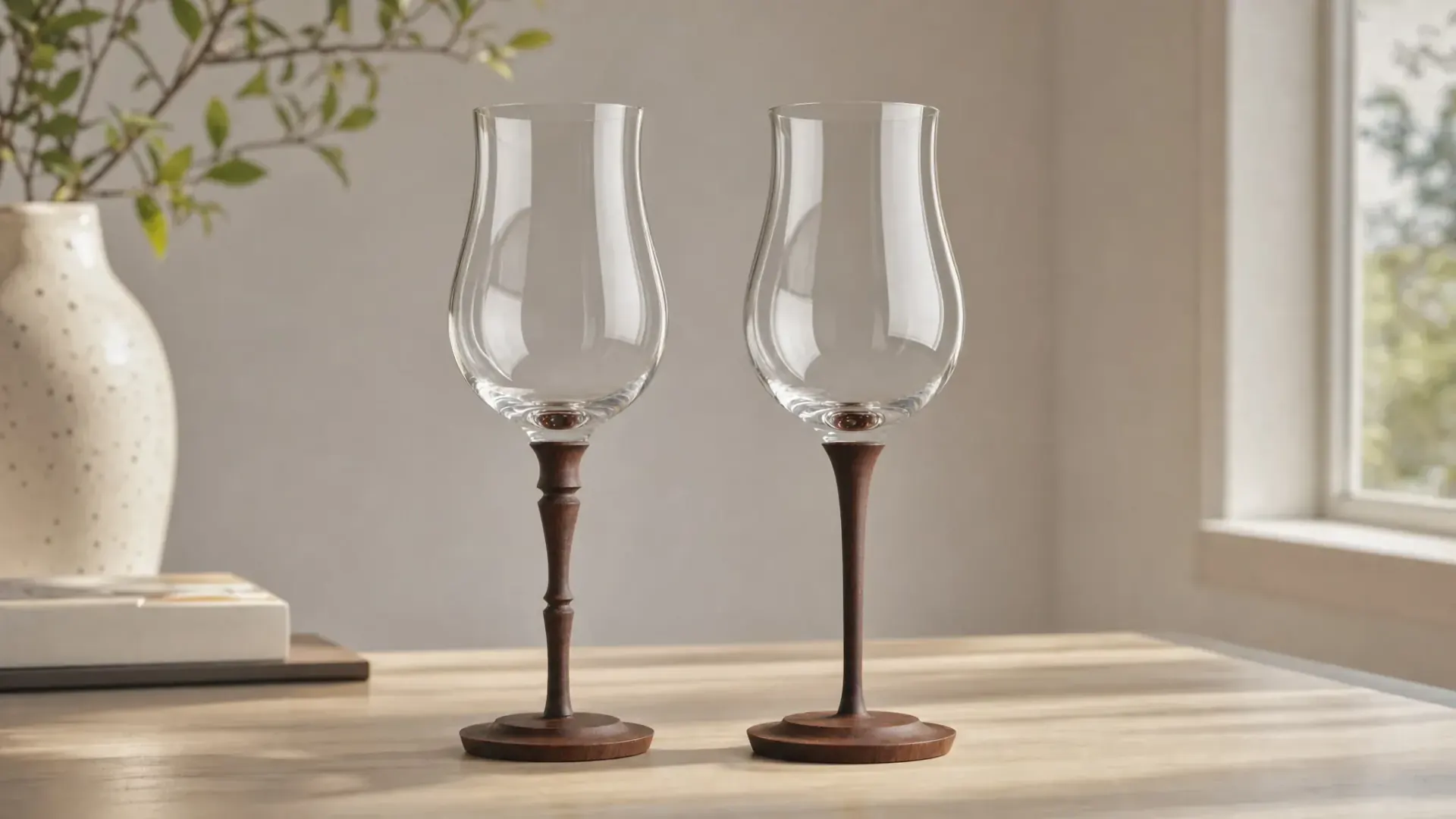
The global whiskey market has experienced remarkable growth over the past decade, with premium and super-premium segments leading the charge. As distilleries and spirits brands compete for shelf space and consumer attention, the packaging and presentation of their products have become increasingly important. One category that has captured the imagination of both brands and consumers alike is wood-stemmed whiskey glassware — a product that combines the timeless elegance of fine crystal with the natural warmth of handcrafted wood.
For B2B buyers, distributors, and brand managers looking to source whiskey glassware that stands apart from mass-produced alternatives, understanding the manufacturing process is essential. This knowledge not only helps in evaluating manufacturer capabilities but also enables more informed decisions about customization, quality control, and cost management.
The foundation of any quality wood-stemmed glassware begins with two primary materials: the glass bowl and the wooden stem. Professional glassware manufacturers typically source borosilicate or lead-free crystal glass for the bowl component. Lead-free crystal has become the industry standard, offering brilliant clarity and a pleasant weight in the hand while meeting international food safety regulations that many markets now require.
The wooden stem demands equal attention. Manufacturers commonly work with several wood species, each offering distinct characteristics. Walnut and cherry wood provide rich, dark tones that pair well with amber spirits. Bamboo offers a lighter, more contemporary aesthetic and excellent dimensional stability. Oak wood is sometimes selected for its association with whiskey aging barrels, creating a thematic connection that resonates with spirits enthusiasts.
Reputable manufacturers source kiln-dried lumber with moisture content carefully controlled between 8-12 percent. This range prevents warping and cracking during production and throughout the product's lifecycle. Wood grains are inspected for consistency, and any pieces with structural defects are rejected before entering the production line.
The glass bowl component typically begins as molten glass at temperatures exceeding 1,400 degrees Celsius. In commercial manufacturing, this process is usually carried out using automated or semi-automated glass forming equipment, though some premium lines still employ skilled glassblowers for certain shapes.
The glass is gathered on a pipe or distributed into molds, depending on the desired shape. For whiskey tasting glasses, the bowl typically features a slightly narrow opening to concentrate aromas toward the nose — a design principle borrowed from traditional nosing glasses. The base must be perfectly flat to ensure stability on bar tops and tasting counters.
After initial forming, the glass undergoes an annealing process in a controlled lehr oven. Annealing slowly cools the glass over several hours, relieving internal stresses that could cause spontaneous cracking. This step is critical for product durability and safety. Properly annealed glassware can withstand significant temperature changes without breaking, an important consideration for products that may be used with both room-temperature and chilled spirits.
While the glass components are being formed, the wooden stems move through a separate production line. Modern manufacturers use CNC woodworking equipment to shape the stems with high precision. The wood is first cut to rough dimensions, then turned on automated lathes to achieve the exact profile specified in the design.
The joint between the wood stem and glass bowl is the most technically demanding aspect of the entire product. This connection must be perfectly aligned, structurally sound, and visually seamless. Manufacturers employ various joining methods — some use a bonded metal ferrule that connects the wood to a glass stub, while others use high-performance industrial adhesives rated for food-contact applications.
Each stem is sanded through multiple grit progressions, starting at around 80 grit and finishing at 320 or higher for a smooth, tactile surface. The wood is then treated with food-safe finishes — typically mineral oil, beeswax, or a polyurethane coating that seals the surface against moisture and staining while maintaining the natural wood feel.
The assembly stage brings together the glass bowl and wooden stem into a single finished product. This process requires careful alignment and consistent pressure to ensure a secure bond. Quality-focused manufacturers typically perform this step with the aid of jigs and fixtures that hold components in precise position during the adhesive cure time.
Some designs incorporate additional elements at this stage, such as metal accent bands between the wood and glass, or decorative engravings on the wood surface. These customizations are negotiated during the product development phase and can significantly impact both the aesthetic appeal and the unit cost.
After assembly, each piece undergoes a thorough cleaning process to remove any residual adhesive, dust, or handling marks. The glass surface is polished to restore its full clarity, and the wood is given a final treatment with conditioning oil to enhance its natural luster.
Quality control in wood-stemmed glassware manufacturing encompasses multiple checkpoints throughout the production process. Raw materials are inspected upon receipt, in-process checks verify dimensional accuracy at each stage, and finished goods undergo a comprehensive final inspection.
Key quality metrics include glass clarity and absence of bubbles or inclusions, dimensional consistency of both glass and wood components, bond strength between the stem and bowl, and overall balance and feel in the hand. Premium manufacturers typically maintain AQL (Acceptable Quality Level) standards of 2.5 or lower for critical defects and 4.0 for minor defects.
For B2B buyers, requesting a pre-production sample run is strongly recommended. This allows you to evaluate the actual product quality, test packaging durability, and verify that customization elements such as logos or branding meet your specifications before committing to a full production order.
When sourcing wood-stemmed whiskey glassware, several factors deserve careful consideration beyond unit price. Minimum order quantities (MOQs) typically range from 200 to 1,000 units depending on the complexity of the design and the manufacturer's production setup. Lead times generally span 45 to 60 days from order confirmation to shipment, with additional time required for sea freight to most overseas destinations.
Customization options are a key advantage of working directly with manufacturers rather than purchasing stock products. Options may include custom wood species selection, branded packaging design, laser engraving or debossing on the wooden stem, custom glass etching, and unique color finishes for the wood component.
Packaging deserves particular attention for glassware products. Each piece should be individually protected with foam or molded pulp inserts, and outer cartons must be designed to withstand the rigors of international shipping. Reputable manufacturers will include drop-test data and can provide packaging samples for evaluation before production begins.
Our Products
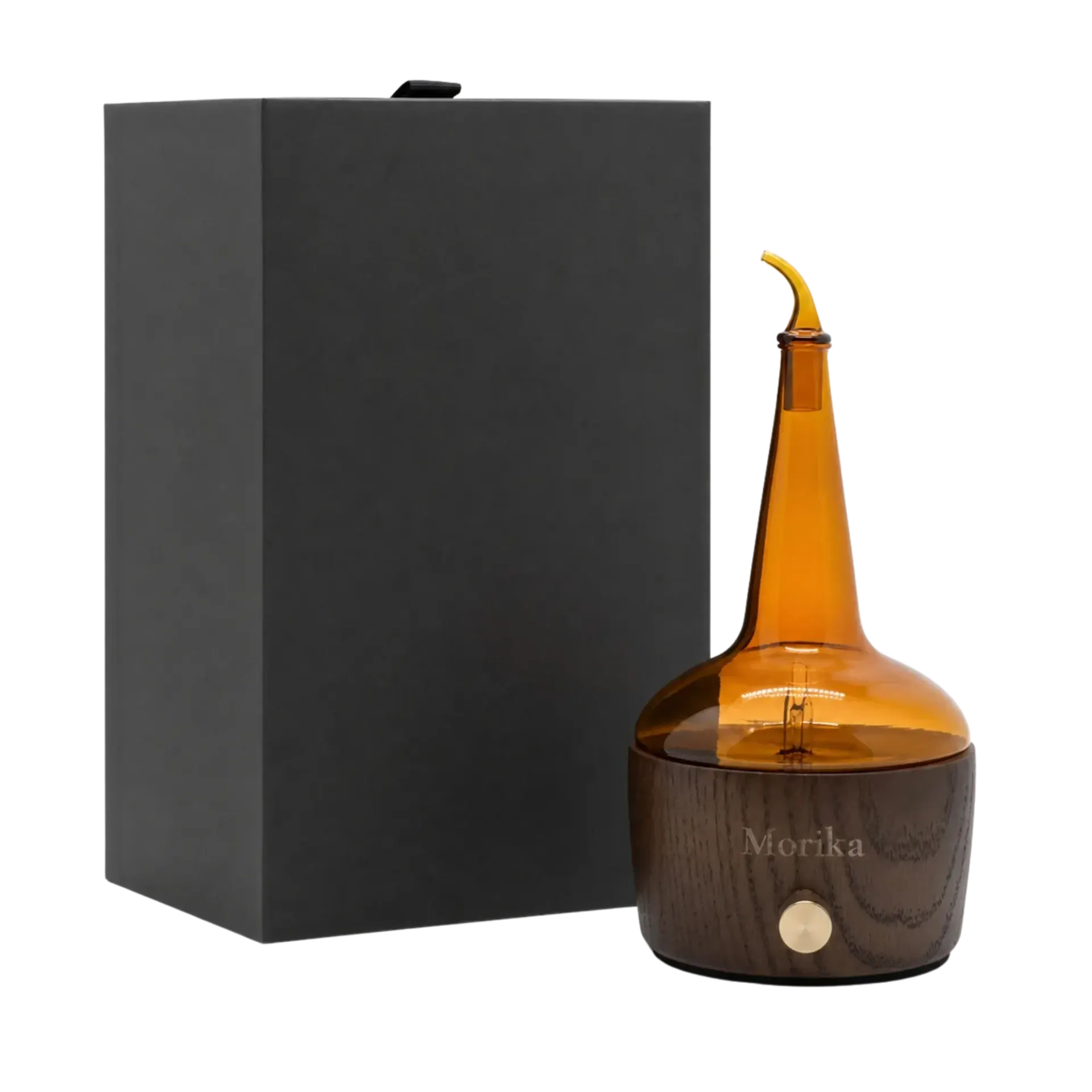
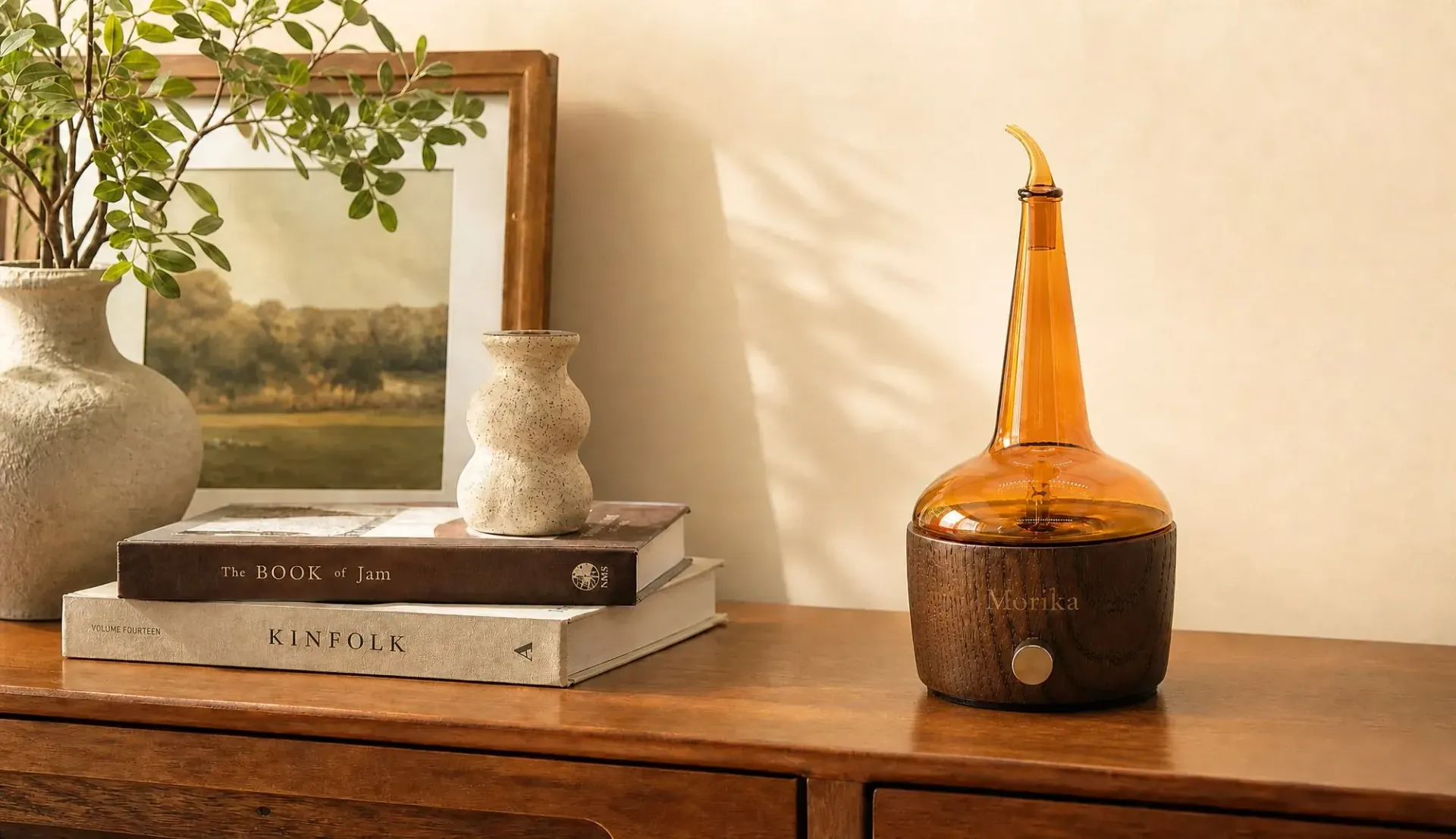
Oak and borosilicate glass whiskey nosing diffuser for distillery visitor centres and B2B gifting.
Learn More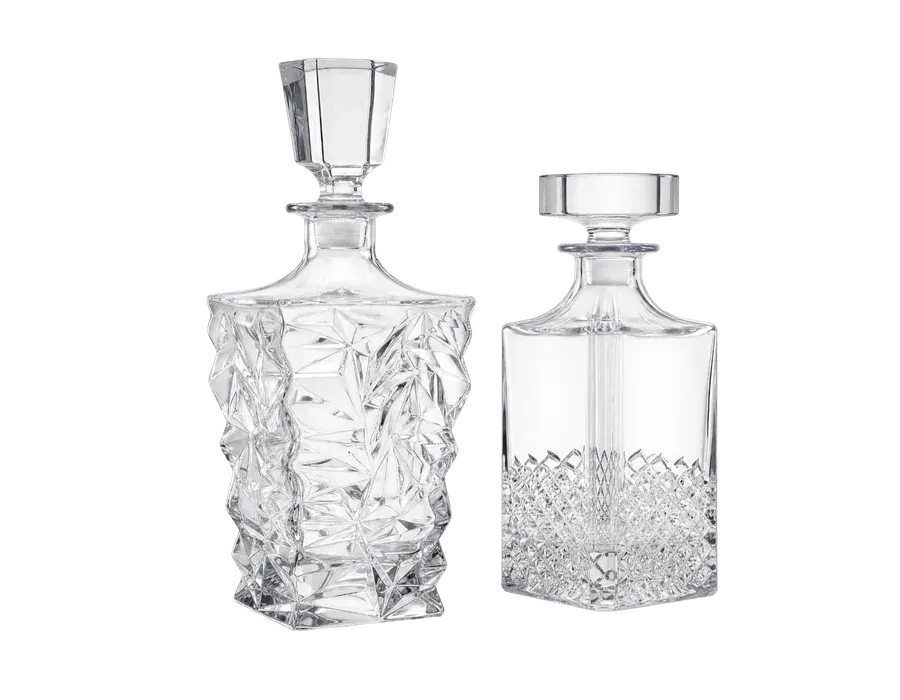
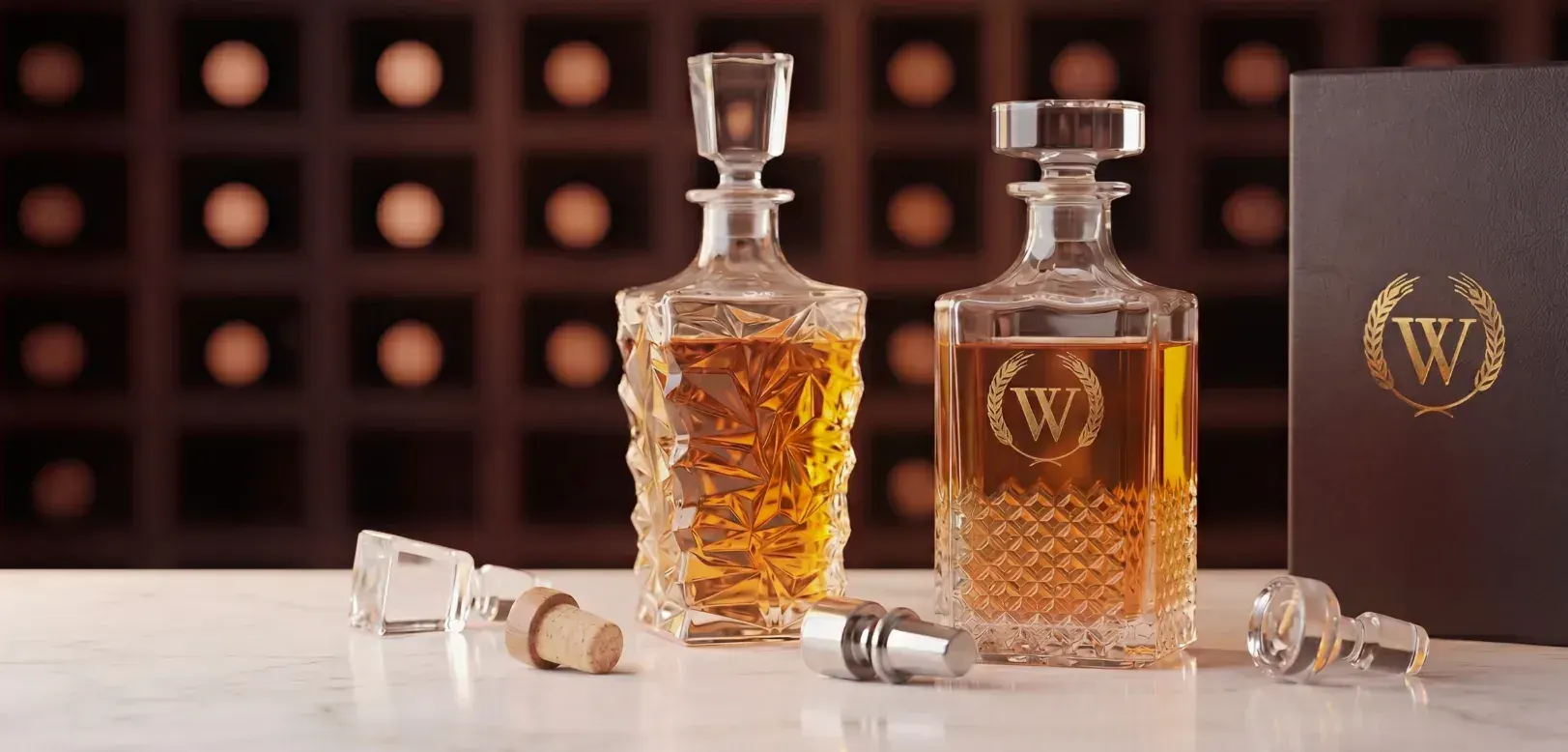
High-clarity glass decanters for whiskey, wine, and spirits. Logo engraving and custom retail presentation available.
Learn More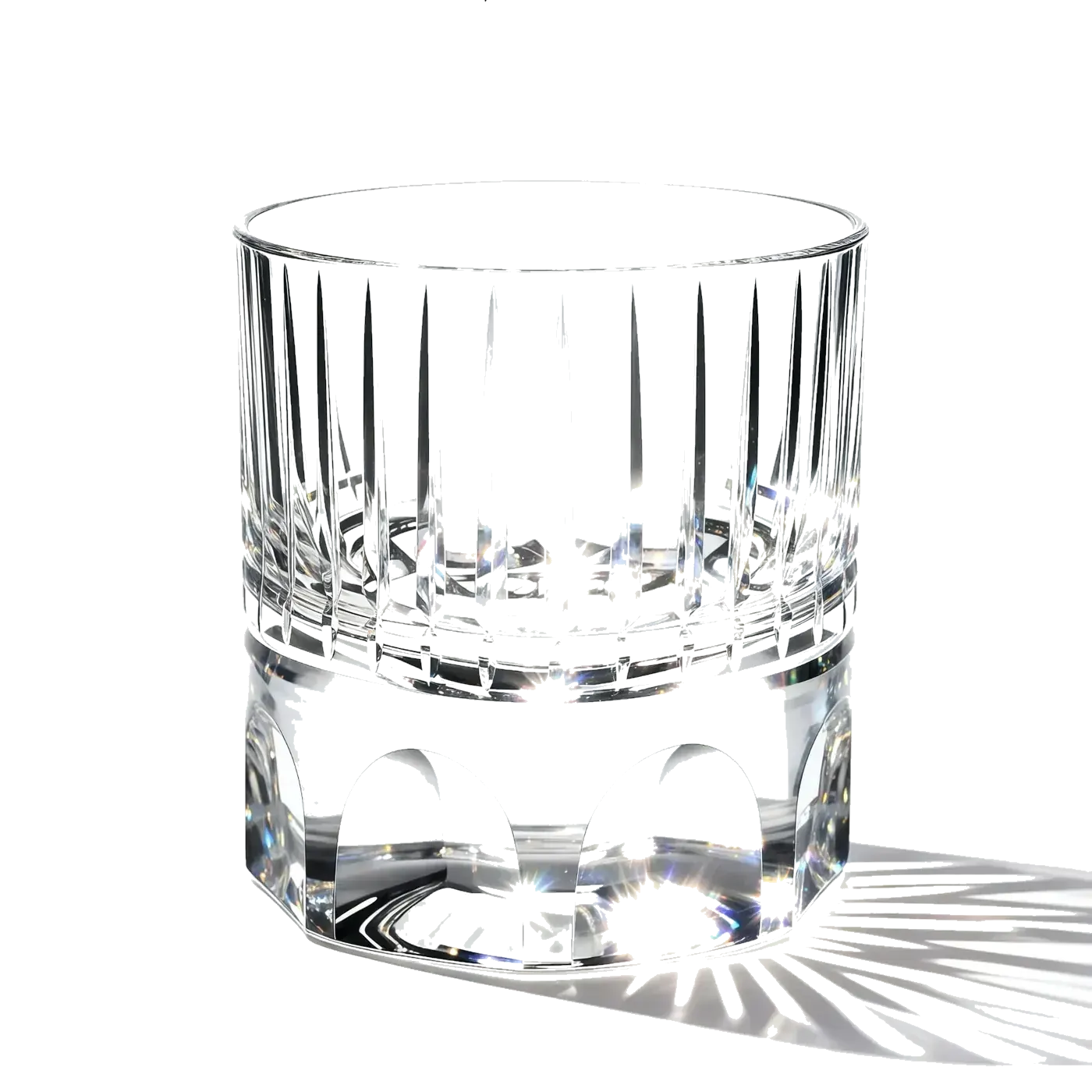
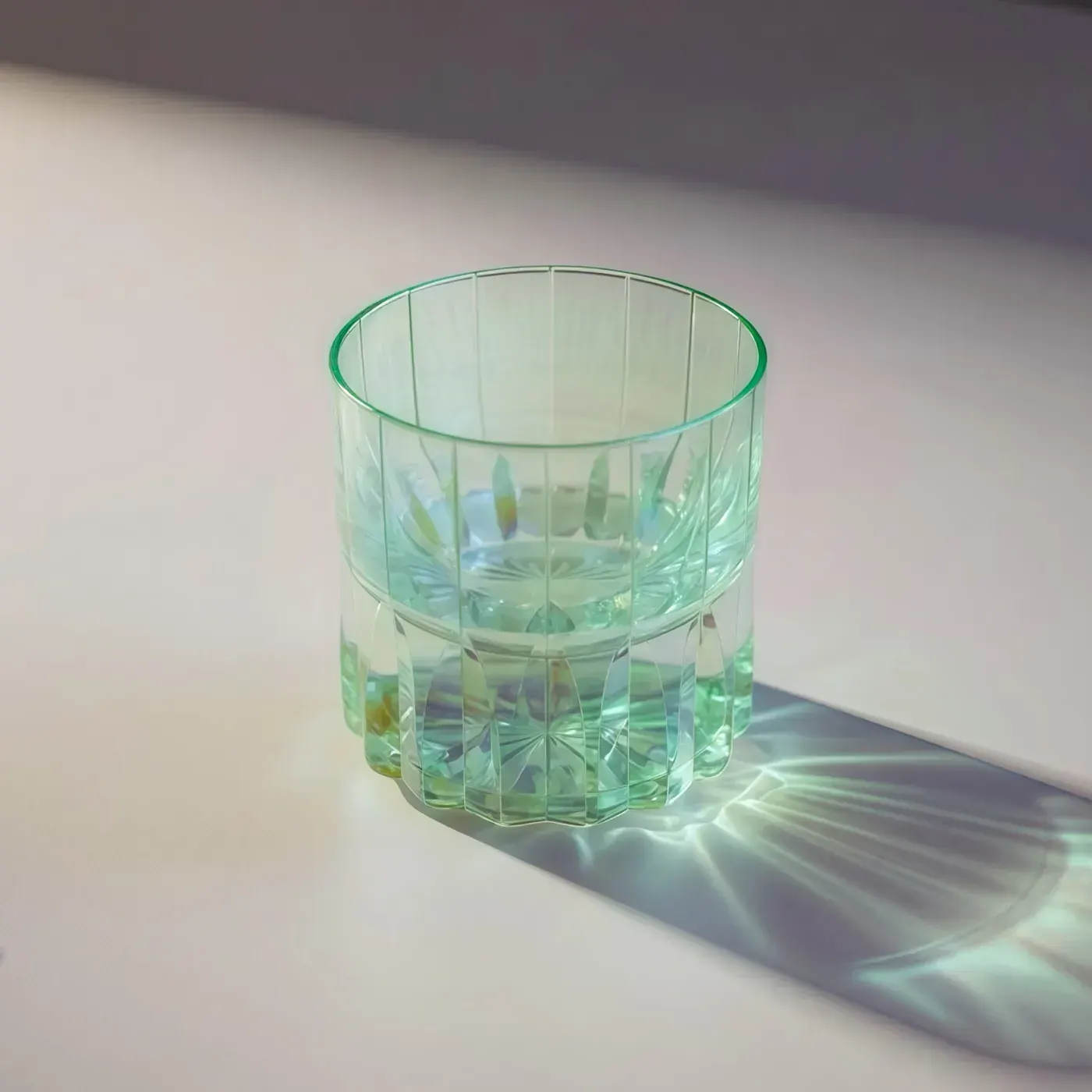
Traditional hand-cut crystal glassware with Edo Kiriko patterns. Custom colourways and branded presentation for hospitality and retail.
Learn MoreInterested in custom products?
From concept to delivery — custom promotional products manufactured to your specifications. Get a free quote within 24 hours.