ODM Process for Custom Promotional Products
Complete ODM process for custom promotional products — from brief and prototypes to tooling and mass production. For brands sourcing merchandise.
Understanding ODM: Original Design Manufacturing Explained
Original Design Manufacturing (ODM) has become the backbone of the global promotional products industry. Unlike OEM manufacturing where the buyer provides complete product specifications, ODM places the design and engineering expertise in the hands of the manufacturer. The manufacturer develops the product concept, creates prototypes, refines the design based on buyer feedback, and manages mass production — all while incorporating the buyer's branding and customization requirements.
For brands, distributors, and procurement teams, the ODM model offers a compelling combination of professional design expertise, manufacturing efficiency, and customization flexibility. Rather than investing in in-house product design teams or hiring external design agencies, buyers can leverage the manufacturer's deep knowledge of materials, production processes, and market trends to bring branded products to market faster and more cost-effectively.
This guide walks through the complete ODM process for custom promotional products, providing B2B buyers with the knowledge needed to evaluate manufacturers, manage development timelines, and ensure successful project outcomes.
Phase 1: Requirements Gathering and Product Briefing
Every successful ODM project begins with a thorough requirements gathering phase. This initial stage establishes the foundation for the entire development process and significantly reduces the risk of costly revisions later.
A comprehensive product brief should address several key areas. First, the intended use case and target audience — understanding who will receive or use the product, in what context, and what impression it should create. Second, brand guidelines including logo files, color specifications, and any brand positioning documents that inform the aesthetic direction. Third, practical requirements such as target price point, minimum order quantity, desired materials, and any specific size or weight constraints.
Experienced ODM manufacturers will typically respond to a brief with a preliminary feasibility assessment. This assessment identifies any technical challenges, suggests alternative approaches where appropriate, and provides an initial timeline and cost estimate. For buyers new to the ODM process, this feedback is invaluable in calibrating expectations and identifying potential issues before significant resources are committed.
Communication during this phase is critical. The more detailed and specific the brief, the more accurately the manufacturer can translate requirements into a viable product design. Reference images, competitor products, and material samples all help bridge the gap between abstract requirements and concrete product specifications.
Phase 2: Concept Design and Prototype Development
With the product brief established, the manufacturer's design team develops initial concepts. Depending on the product category, this may involve industrial design renderings, material boards, or technical drawings. For promotional products such as glassware, headwear, or gift sets, concepts typically include visual mockups showing the product form, material treatment, and branding placement.
Most ODM manufacturers present two to three concept directions for buyer review. Each concept typically explores a different approach to the brief — perhaps varying the material combination, the structural approach, or the branding integration method. This range allows buyers to evaluate trade-offs and provide directional feedback before the design is locked in.
Once a concept direction is selected, the manufacturer produces physical prototypes. For glassware products, this may involve hand-blown samples that demonstrate the shape, proportions, and glass quality. For wood-inclusive products like stemware or gift packaging, prototype samples show the actual wood grain, finish quality, and joint construction.
The prototype review phase is where many critical decisions are made. Buyers should evaluate prototypes against the original brief, testing functionality, assessing build quality, and examining how branding elements appear on the actual product. It is common for one or two rounds of prototype refinement to be needed before the design is approved for production.
Phase 3: Tooling and Production Engineering
After design approval, the project enters the production engineering phase. This critical stage translates the approved prototype design into a production-ready manufacturing process that can consistently produce the product at the required volume and quality level.
Tooling is often the most significant investment in this phase. Custom molds for glass forming, cutting dies for packaging, and fixtures for assembly operations must all be designed, manufactured, and tested. Tooling costs vary dramatically by product complexity — simple products may require only a few hundred dollars in tooling, while complex multi-component items can require investments in the tens of thousands of dollars.
Production engineering also encompasses the development of quality control protocols, assembly procedures, and packaging specifications. For products with multiple components, such as wood-stemmed glassware or curated gift sets, detailed assembly instructions and in-process inspection checkpoints ensure consistency across large production runs.
Experienced ODM manufacturers typically produce a pilot run of 20-50 units through the full production process before committing to mass production. This pilot run validates tooling, confirms assembly procedures, and generates samples that can be sent to buyers for final approval. Identifying and resolving issues at the pilot stage is far less costly than discovering problems after thousands of units have been produced.
Phase 4: Mass Production and Quality Control
Mass production for custom promotional products requires careful coordination of raw material sourcing, production scheduling, and quality management. Reputable manufacturers employ dedicated production planning teams that manage the flow of materials and components through each stage of the manufacturing process.
In-process quality control includes dimensional inspections, visual defect checks, and functional testing at multiple production stages. For glassware, this means checking for bubbles, inclusions, and dimensional accuracy while the glass is still warm and adjustable. For wood components, moisture content is monitored and surface finish quality is verified before assembly.
Final quality control typically involves AQL-based inspection of finished products according to internationally recognized sampling standards. Critical defects — those that affect product safety or functionality — are subject to stricter acceptance criteria than minor cosmetic imperfections. Buyers should discuss their quality expectations with the manufacturer during the requirements phase and ensure that these standards are documented in the production agreement.
Production timelines vary by product complexity and order volume. Simple promotional items may ship within 20-30 days of production start, while complex multi-component products or very large orders may require 45-60 days or more. Building appropriate lead time into project planning allows for the iterative nature of quality management and reduces the pressure to ship before products meet agreed-upon standards.
Phase 5: Packaging, Shipping, and Post-Delivery Support
The final phase of the ODM process encompasses packaging design and production, logistics coordination, and post-delivery quality assurance. For promotional products, packaging is not merely functional — it is an integral part of the brand experience and often the first impression the end recipient forms.
Custom packaging development runs parallel to product development in many cases. Structural design, graphic design, and material selection all require careful consideration to balance brand presentation, product protection, and shipping efficiency. Manufacturers with in-house packaging capabilities can coordinate product and packaging production seamlessly, reducing lead times and ensuring perfect fit.
Shipping logistics for international orders involve multiple considerations: freight mode selection (sea freight for cost-sensitive orders, air freight for time-critical deliveries), customs documentation and compliance, insurance coverage, and delivery coordination with final destinations. Experienced ODM manufacturers typically offer door-to-door shipping coordination or can work with the buyer's designated freight forwarder.
Post-delivery support, while often overlooked during manufacturer selection, is an important aspect of the ODM relationship. Manufacturers that stand behind their products with clear warranty terms, responsive communication about any quality concerns, and the ability to address issues quickly provide significantly more value than those who consider the transaction complete upon shipment.
Selecting the Right ODM Partner
Choosing an ODM manufacturer for custom promotional products is a decision that impacts product quality, brand perception, and program success. Beyond obvious factors like pricing and minimum order quantities, buyers should evaluate manufacturers on their design capabilities, communication quality, production transparency, and track record of delivering consistent results.
The best ODM relationships are true partnerships where the manufacturer contributes product expertise and the buyer provides brand insight and market direction. Manufacturers who offer design consultation, material recommendations, and proactive problem-solving create significantly more value than those who simply execute specifications. For brands building long-term promotional product programs, investing in these relationships yields compounding returns over time.
Our Products
Related Products
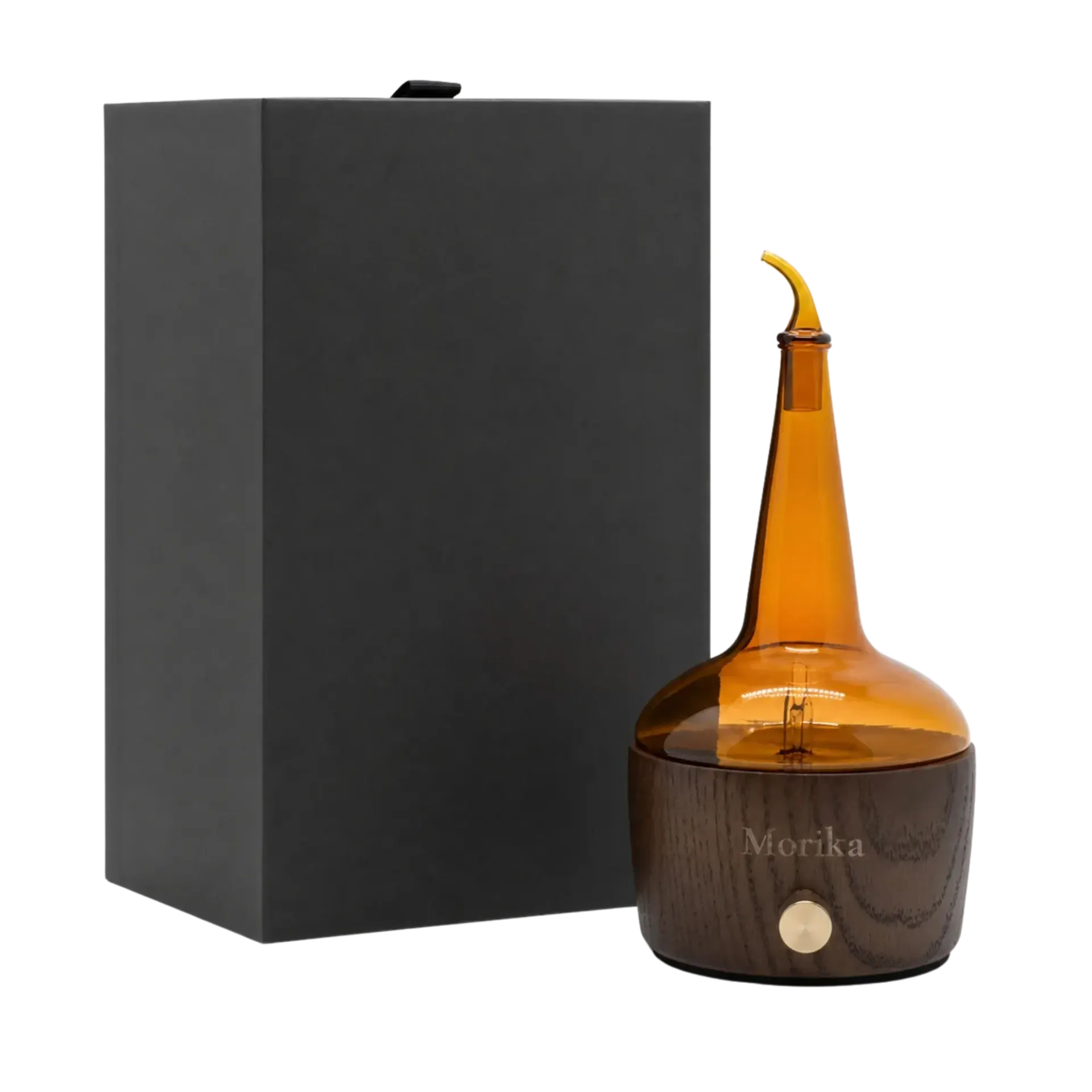
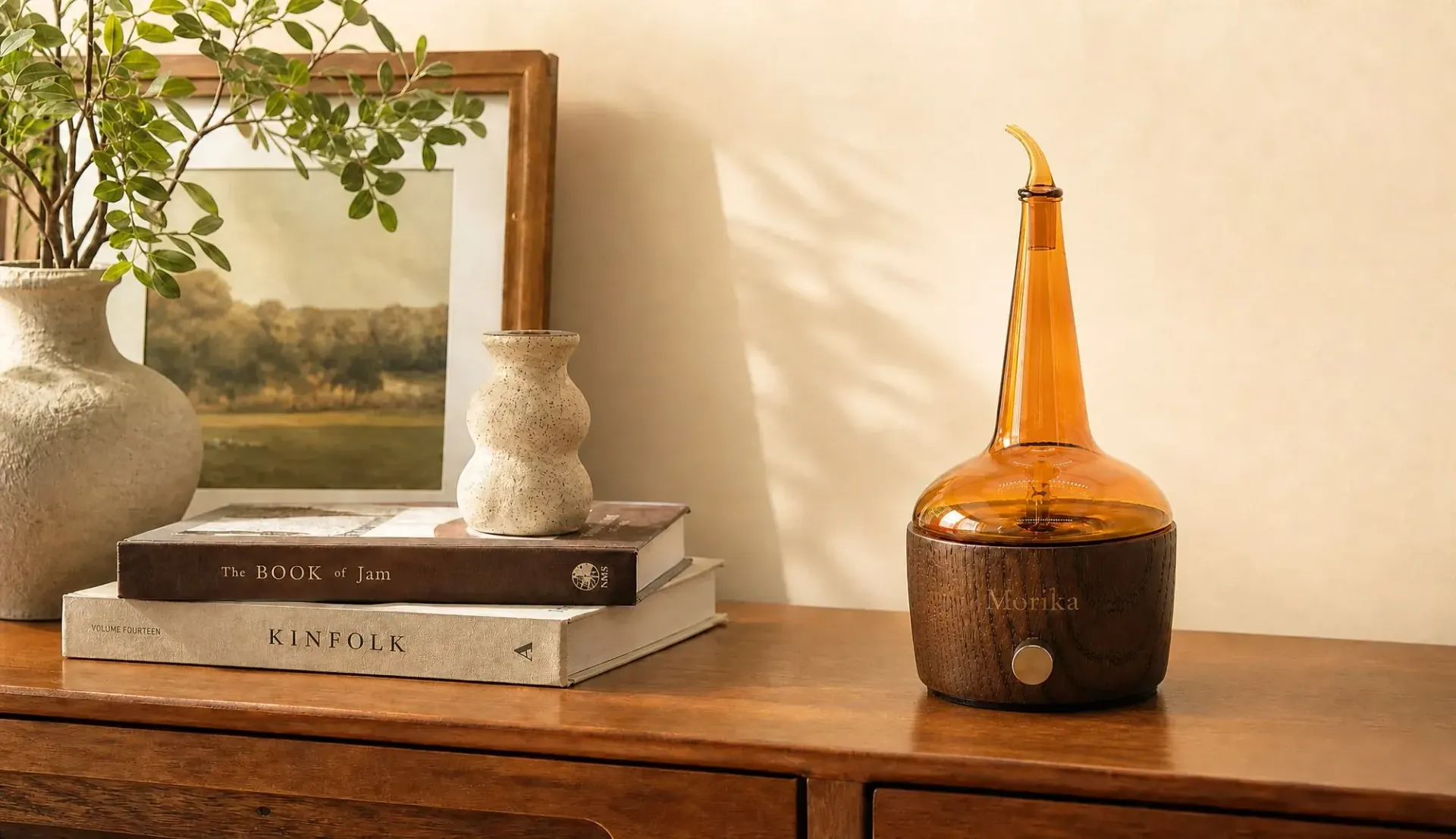
Whiskey Nosing Diffuser
Oak and borosilicate glass whiskey nosing diffuser for distillery visitor centres and B2B gifting.
Learn More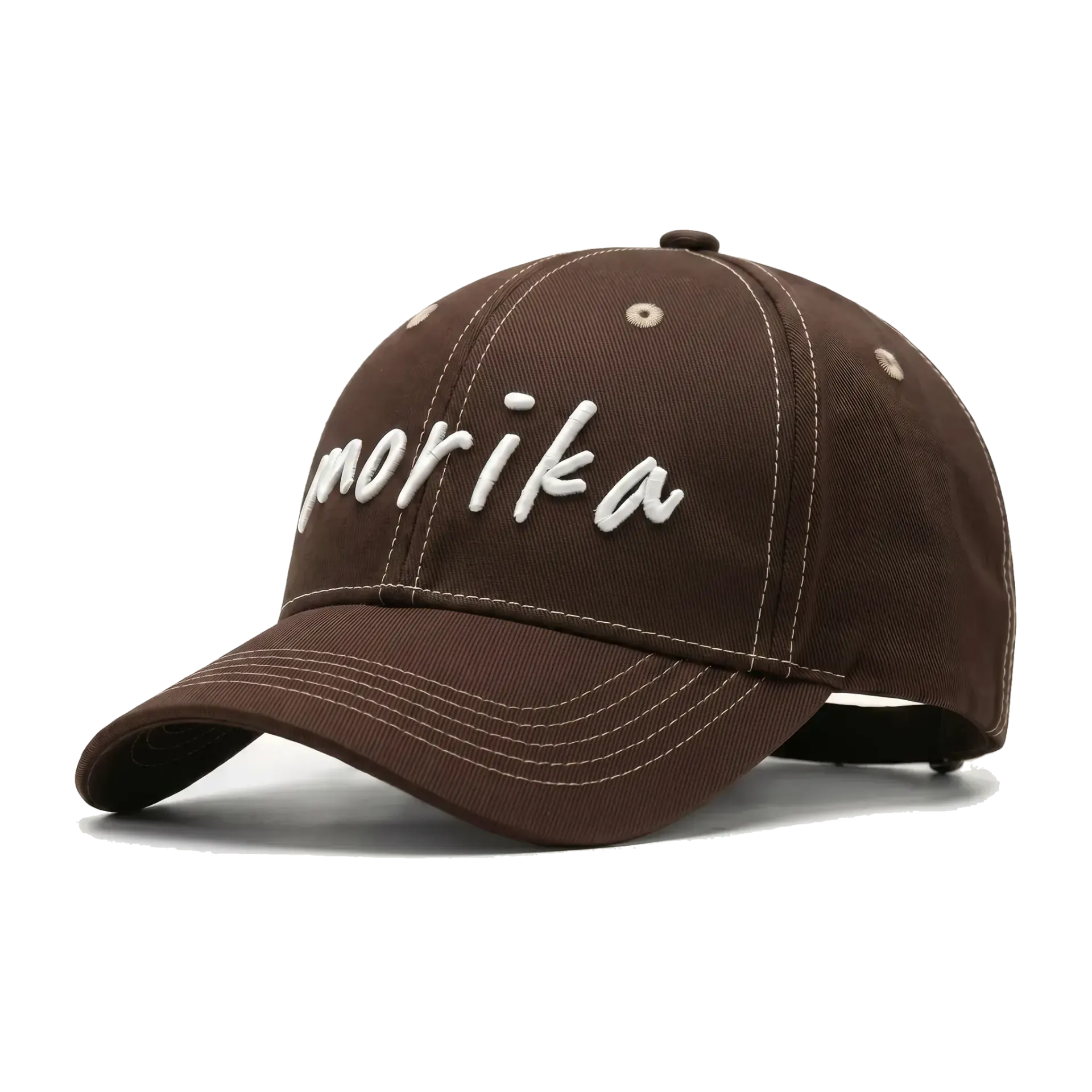
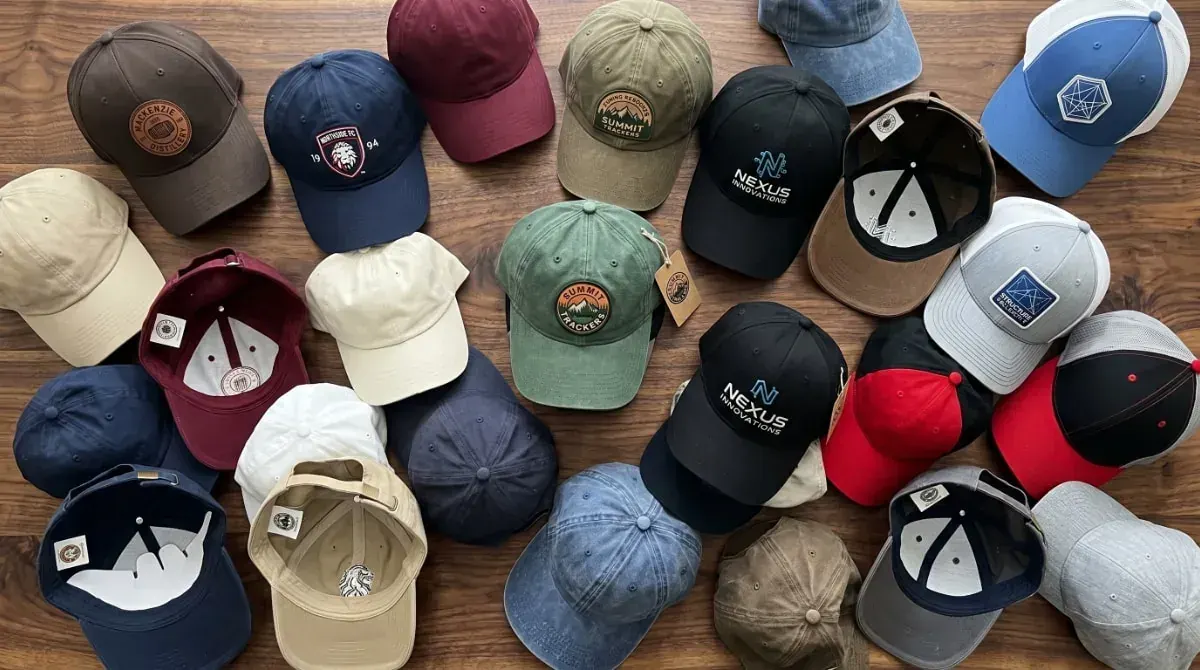
Custom Baseball Caps
Embroidered baseball caps for lifestyle merchandise, events, and brand programmes.
Learn More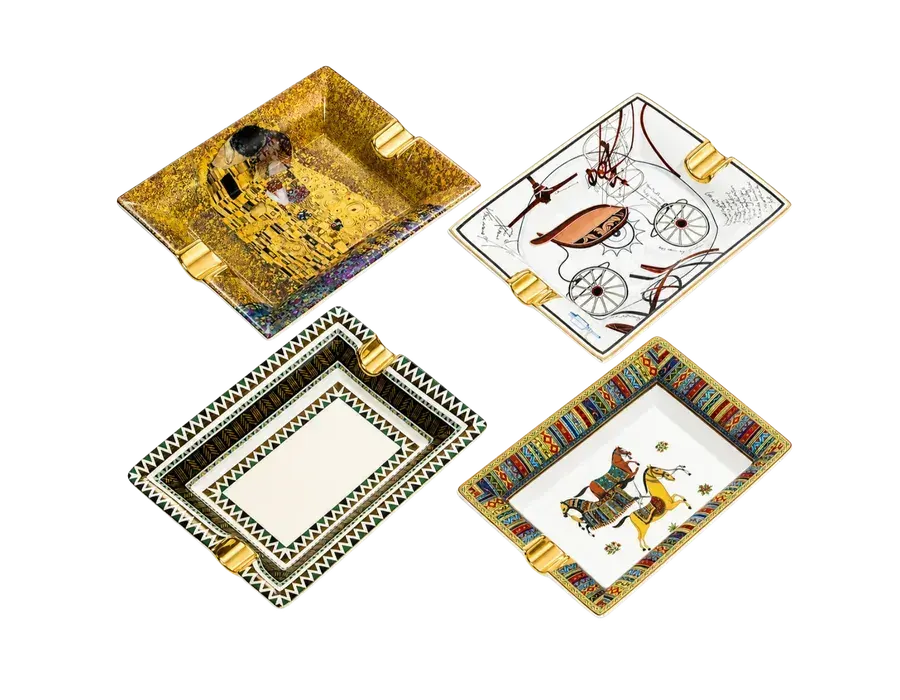
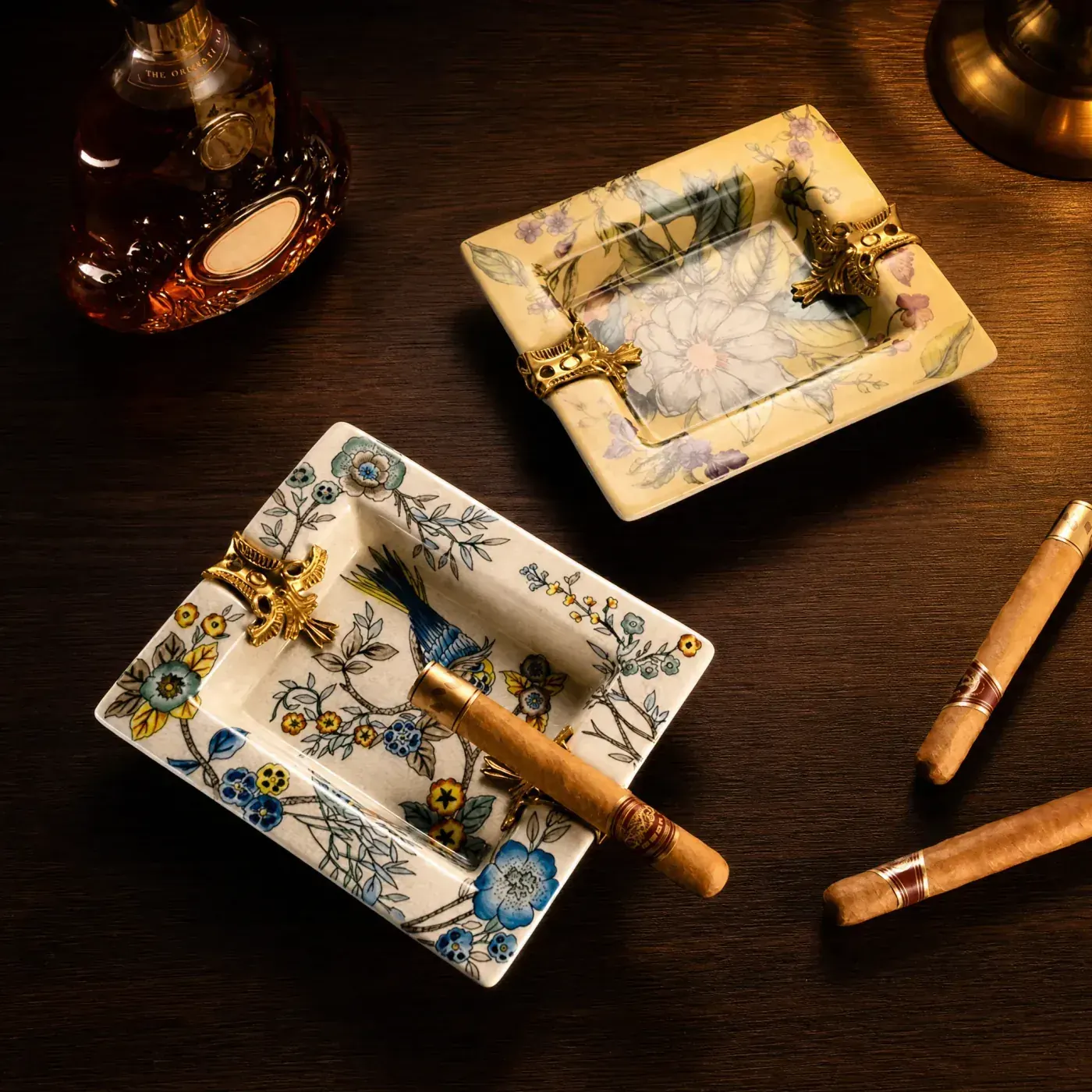
Cigar Ashtray
Custom branded cigar ashtrays for lounges, retailers, and cigar brand programmes. Ceramic, metal, and hardwood options.
Learn MoreInterested in custom products?
Let us bring your idea to life
From concept to delivery — custom promotional products manufactured to your specifications. Get a free quote within 24 hours.